Latest Malaria Research 2026: Vaccines, Treatments & Innovation
Explore the latest malaria research in 2026, including R21 and RTS,S vaccines, antimalarial resistance, advanced diagnostics, gene-drive mosquitoes and new prevention strategies.
Malaria research is entering an important period of scientific innovation. Advances in vaccine development, parasite genomics, molecular diagnostics and mosquito biology are creating new opportunities to understand and control malaria transmission. Discover the latest scientific findings and emerging technologies shaping malaria research in 2026.
Understanding the Global Malaria Research Landscape
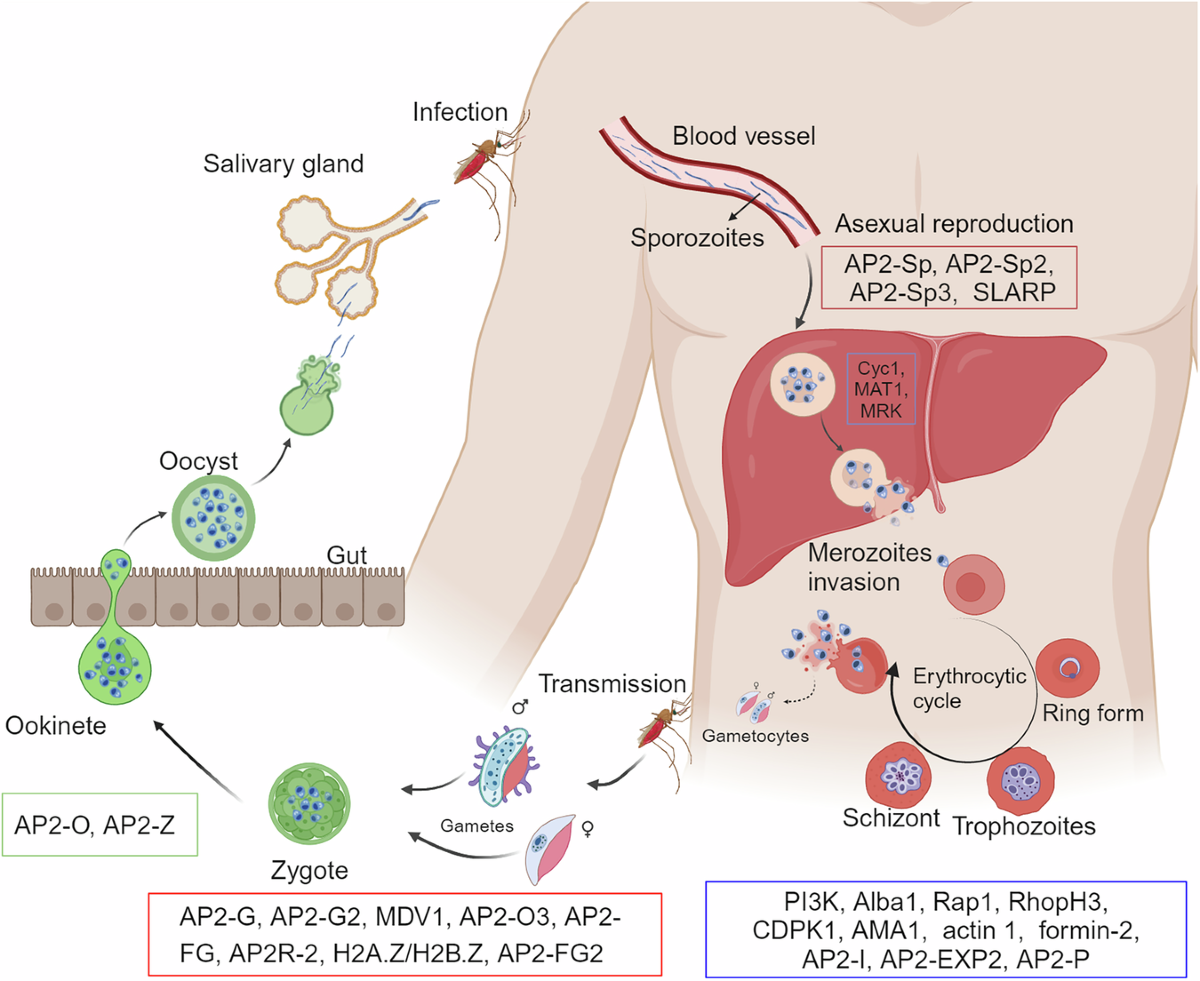
Malaria is a mosquito-borne parasitic infection caused by Plasmodium species and transmitted primarily through the bites of infected female Anopheles mosquitoes. Plasmodium falciparum remains responsible for the largest share of severe malaria cases and deaths, particularly in sub-Saharan Africa.
According to the World Health Organization's World Malaria Report 2025, approximately 282 million malaria cases and 610,000 deaths were estimated worldwide in 2024. These figures demonstrate why research into parasite biology, vector control, vaccine development and diagnostic technologies remains a global scientific priority.
1. Malaria Vaccine Research: Advances in RTS,S and R21
One of the most important developments in modern malaria research is the introduction and expansion of malaria vaccination programmes. Two vaccines, RTS,S/AS01E and R21/Matrix-M, have received WHO recommendation and prequalification for preventing Plasmodium falciparum malaria in children living in endemic areas.
RTS,S/AS01E
RTS,S was the first malaria vaccine to receive WHO recommendation. Its implementation evaluation in Ghana, Kenya and Malawi demonstrated important public health benefits, including reduced childhood mortality and fewer severe malaria hospitalizations.
R21/Matrix-M
R21 is a second WHO-recommended malaria vaccine. It uses a recombinant protein-based approach with the Matrix-M adjuvant. Its introduction has expanded the options available to national malaria immunization programmes.
What does the latest vaccine research show?
In June 2026, WHO published an updated review of the malaria vaccine clinical development pipeline. The analysis identified 43 vaccines in active clinical development, with candidates targeting different parasite species and life-cycle stages.
The research landscape includes pre-erythrocytic vaccines, blood-stage candidates and transmission-blocking vaccine approaches. These strategies investigate different biological mechanisms and may contribute to complementary approaches to malaria prevention.
2. Malaria Drug Resistance: A Major Breakthrough in Parasite Genomics
One of the most significant malaria research findings published in August 2026 concerns genetic changes in Plasmodium falciparum associated with reduced susceptibility to commonly used antimalarial medicines.
A study published in Nature Medicine on 17 August 2026 investigated whole-genome sequences from malaria parasites collected in Uganda. Researchers identified a group of genetic variations in the parasite's PX1 protein, known as the PIN haplotype.

Related research: PX1 genetic variation and antimalarial susceptibility. Nature Medicine, August 2026.
Why is the PX1 finding important?
The study found that the PIN haplotype was associated with reduced ex vivo susceptibility to lumefantrine, mefloquine and dihydroartemisinin. The researchers also observed that this genetic variant increased in prevalence in the Ugandan samples studied over time.
The PIN haplotype was reported in samples from 2008 and reached 84% prevalence in northern Uganda and 55% in eastern Uganda by 2024 in the study's sampled populations.
These findings provide an important direction for molecular surveillance. They also highlight the value of whole-genome sequencing in identifying emerging genetic patterns that may not be captured by existing surveillance markers.
For biotechnology researchers, this development emphasizes the importance of parasite genome sequencing, molecular markers, population genetics and computational analysis in monitoring malaria parasite evolution.
3. New Malaria Diagnostic Technologies and Molecular Detection
Reliable malaria diagnostics are essential for identifying infections and guiding appropriate treatment. However, genetic changes in Plasmodium parasites can affect the performance of certain rapid diagnostic tests.
In April 2026, WHO announced the prequalification of three new malaria rapid diagnostic tests designed to address a significant diagnostic challenge involving Plasmodium falciparum parasites with pfhrp2 gene deletions.
Understanding HRP2 and pf-LDH detection
Many conventional rapid diagnostic tests identify the HRP2 protein produced by P. falciparum. However, parasites that have lost the pfhrp2 gene may not produce this target, potentially resulting in false-negative test results.
The newly prequalified tests target parasite lactate dehydrogenase (pf-LDH), providing an alternative detection approach where HRP2-based tests are affected by gene deletions.
Emerging research opportunities
- Molecular detection of Plasmodium species.
- Genetic identification of pfhrp2 and pfhrp3 deletions.
- Development of alternative diagnostic biomarkers.
- PCR-based parasite detection and genotyping.
- Improved sensitivity and specificity in malaria research assays.
- Integration of genomic surveillance and diagnostic data.
4. Gene Drive Mosquitoes and Genetic Approaches to Malaria Control
Another rapidly developing field is mosquito-based malaria control. Rather than targeting only the parasite, researchers are exploring ways to modify mosquito populations and reduce their ability to transmit Plasmodium parasites.
A major review published in Nature Reviews Microbiology on 13 October 2026 examined genetic, microbial and immunological innovations for malaria control.

Gene-drive approaches for mosquito population suppression and population modification. Source: Nature Reviews Microbiology, 2026.
What are gene-drive technologies?
Gene-drive systems are genetic mechanisms designed to increase the inheritance frequency of a particular genetic element in a population. In mosquito research, scientists are investigating two broad strategies:
Population suppression
Genetic approaches designed to reduce mosquito population numbers or interfere with reproductive capacity.
Population modification
Strategies designed to spread genetic characteristics that reduce the mosquito's ability to support malaria parasite development.
Microbial and immunological approaches
Researchers are also studying mosquito-associated microorganisms, engineered symbiotic systems and transmission-blocking strategies. These approaches investigate interactions between mosquito biology, microbial communities and Plasmodium development.

Although these technologies offer promising research directions, important questions remain regarding ecological safety, genetic stability, long-term effectiveness, regulatory oversight and community engagement.
5. New Malaria Treatment Developments for Newborns and Infants
In April 2026, WHO announced the prequalification of the first artemether-lumefantrine formulation specifically developed for newborns and young infants weighing between 2 and 5 kilograms.
Previously, infants in this weight range could be exposed to formulations designed for older children, creating challenges involving accurate dosing and medicine administration.
The newly prequalified formulation represents an important pharmaceutical development for malaria treatment research and access to appropriately adapted medicines in endemic regions.
Why this matters for pharmaceutical research
- Development of age-appropriate pharmaceutical formulations.
- Improved dosing precision for newborns and infants.
- Quality assurance and pharmaceutical prequalification.
- Research into formulation stability and drug delivery.
- Better integration of pharmaceutical innovation into malaria control programmes.
6. The Future of Malaria Research: Emerging Scientific Directions
The latest developments demonstrate that malaria research is becoming increasingly interdisciplinary. Molecular biology, genomics, immunology, biotechnology, bioinformatics and vector biology are contributing complementary approaches.
Whole-genome sequencing and molecular surveillance to identify emerging genetic variants and monitor parasite population changes.
New antigen targets, vaccine platforms and approaches targeting different stages of the Plasmodium life cycle.
Improved antigen detection, molecular assays and identification of genetic changes affecting diagnostic performance.
Research into Anopheles mosquito genetics, microbial communities and innovative transmission-control strategies.
Bioinformatics, genomic data analysis and computational models to understand parasite evolution and support surveillance.
Frequently Asked Questions About Malaria Research
What are the latest malaria research developments in 2026?
Major developments include research into RTS,S and R21 vaccines, the identification of PX1 genetic variants associated with reduced antimalarial susceptibility, new pf-LDH rapid diagnostic tests and emerging genetic and microbial mosquito-control technologies.
What are the two WHO-recommended malaria vaccines?
The two WHO-recommended malaria vaccines are RTS,S/AS01E and R21/Matrix-M. Both target Plasmodium falciparum and are recommended for children in malaria-endemic areas as part of comprehensive prevention programmes.
What is Plasmodium falciparum?
Plasmodium falciparum is a protozoan parasite responsible for the most severe form of human malaria and a major focus of vaccine, genomic and molecular research.
What is the PX1 PIN haplotype?
It is a group of genetic variations in the PX1 gene of Plasmodium falciparum associated with reduced susceptibility to several antimalarial compounds in laboratory studies of Ugandan parasite samples.
How are gene-drive mosquitoes being studied?
Scientists are investigating genetic systems that could suppress mosquito populations or modify mosquito characteristics to reduce their ability to transmit malaria parasites. Ecological and regulatory safeguards remain essential.
Why is malaria molecular research important?
Molecular research helps scientists investigate parasite genetics, identify mutations, develop diagnostic targets, monitor drug susceptibility and better understand interactions between Plasmodium parasites and mosquito vectors.
Conclusion: A New Era of Malaria Biotechnology Research
The latest malaria research in 2026 highlights how scientific innovation is reshaping the understanding of malaria prevention, parasite evolution and transmission control.
From next-generation vaccine programmes and molecular diagnostic technologies to whole-genome sequencing and genetically modified mosquito research, new scientific approaches are expanding the possibilities for malaria research.
Continued investment in laboratory research, genomic surveillance, biotechnology, international collaboration and responsible innovation will remain essential for advancing malaria control and elimination.
Scientific References and Further Reading
-
World Health Organization (2026).
WHO prequalifies first-ever malaria treatment for newborns and infants, adds new diagnostic tests.
Read the WHO announcement -
World Health Organization (June 2026).
WHO review of malaria vaccine clinical development.
Explore the vaccine pipeline -
Niaré et al. (2026). Nature Medicine.
Emergence and spread of Plasmodium falciparum PX1 polymorphisms associated with decreased susceptibility to antimalarials in Uganda.
Read the scientific publication -
Dong et al. (2026). Nature Reviews Microbiology.
Mosquito-based malaria control through genetic, microbial and immunological innovations.
Read the research review -
World Health Organization (2026).
Malaria vaccines: RTS,S and R21.
Read WHO vaccine information -
World Health Organization.
World Malaria Report.
Explore global malaria statistics